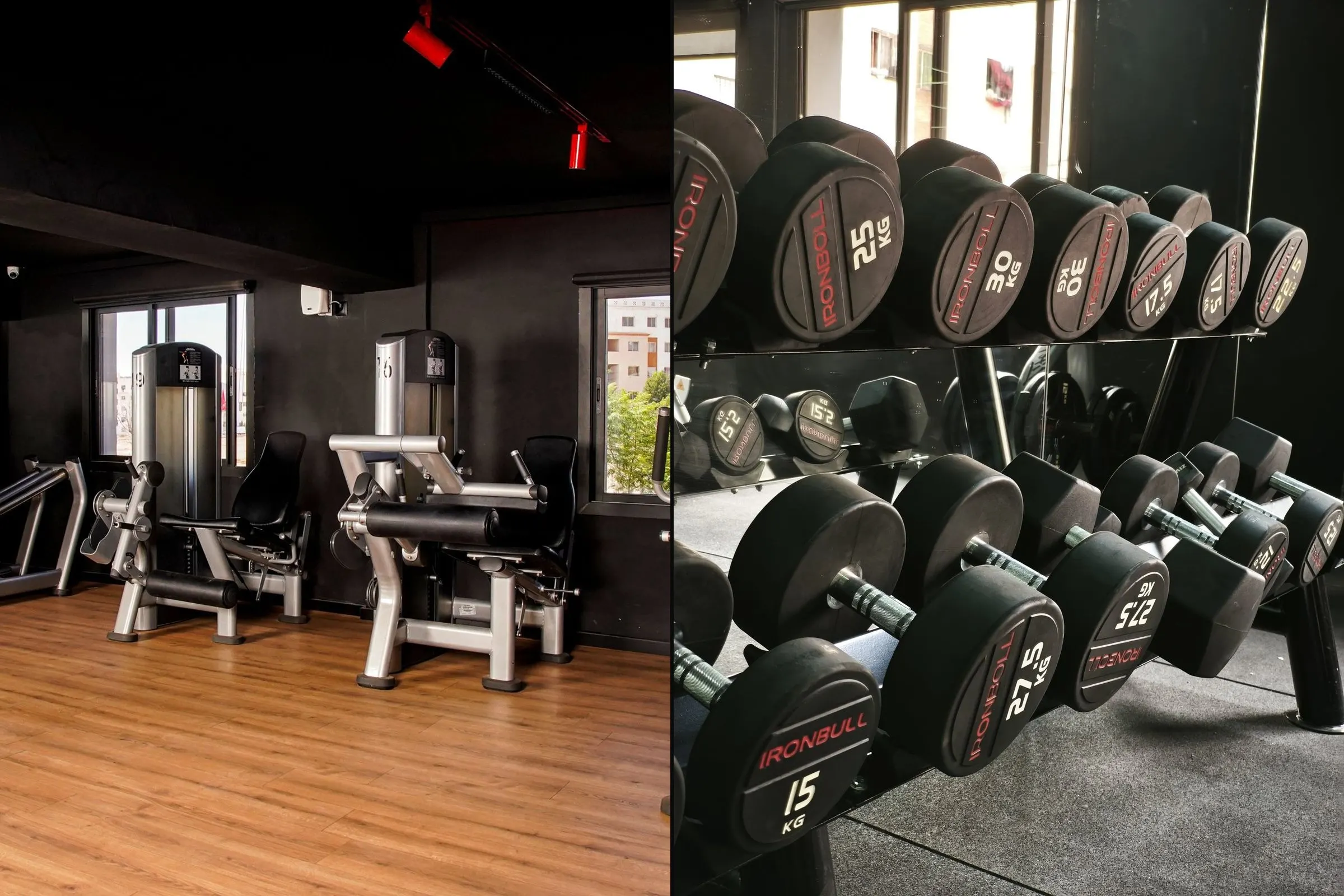
A holiday, an injury, a busy stretch at work, a new baby: there’s no shortage of reasons to stop exercising for weeks or months at a time. The good news is that you never really start from zero. The less good news is that trying to pick up exactly where you left off is the quickest way to get injured or lose motivation by your second session back. Here’s a simple, step-by-step way to return with confidence.
Why a gradual restart matters
After a break, the body loses some of the adaptations it had built up: cardiovascular endurance drops within a few weeks, and muscles and tendons need time to readjust before they can safely handle the loads or intensities you were used to. This isn’t a question of willpower — it’s physiology, and it applies to everyone, from complete beginners to experienced athletes.
The most common instinct, though, is to try to “make up for lost time” by treating the first session back as if nothing had changed. That’s exactly the wrong approach. A progressive restart isn’t about being slower for its own sake — it’s about giving your body the time it needs to relearn, so you can then keep progressing without being forced into another break by injury or excessive fatigue.
Start with a realistic frequency
Rather than aiming for four or five sessions a week right away, it’s better to start with a frequency you can actually keep up without major disruption to your schedule. Two sessions a week is a solid starting point for most people returning to exercise, especially after a break of several months. That’s enough to kick-start the body’s adaptations while still leaving enough recovery days between sessions.
Once those two weekly sessions start feeling like a comfortable habit — without excessive soreness or fatigue building up — you can add a third session, and later a fourth if your goals and schedule allow. This gradual build-up over several weeks is far more effective in the long run than an ambitious start followed by burnout.
Managing intensity in the early sessions
Frequency is only part of the equation — the intensity of each session matters just as much. Your first sessions back should be deliberately lighter than what your body was used to before, whether that’s the weight lifted, running pace, or how long you keep going without a break.
A few simple guidelines for these first few weeks:
- reduce loads by 30 to 50% compared to your previous level, and build back up gradually, session by session;
- favor shorter but complete sessions over long, exhausting ones;
- finish each session with something left in the tank, not at complete exhaustion.
This approach lets you honestly reassess your current level without putting yourself at risk, and gives you a solid base to build on rather than an optimistic guess at what you can still do.
Soreness and recovery
Moderate soreness in the two to three days after a return to exercise is normal, especially if the body hasn’t been active for a while. It doesn’t mean you need to stop — but it does mean you should give yourself enough time to recover before the next session.
If soreness is significant, a few simple habits help: staying well hydrated, getting enough sleep, and keeping lightly active (walking, gentle stretching) rather than complete, prolonged rest. On the other hand, sharp pain localized to a joint, or soreness that lingers well beyond three or four days, is no longer ordinary muscle soreness and deserves to be taken seriously rather than ignored.
Key takeaway: two moderate sessions a week, kept up consistently, beat an ambitious program abandoned after ten days. Results come from consistency, not from how hard the first few sessions are.
Consistency above all
This is arguably the most important point in any return to exercise: consistency matters more than intensity. A body trained moderately but regularly progresses faster, and more sustainably, than one pushed through intense but irregular sessions, constantly interrupted by fatigue or soreness.
Setting a frequency goal you can sustain over several weeks, rather than a performance goal for a single session, completely changes the dynamic of your return. It’s this consistency, more than any program detail, that helps you get back to your previous level — and often go beyond it — without repeating the break that brought you to this article in the first place.
When to seek a healthcare professional’s advice
A progressive return doesn’t replace medical advice when the situation calls for it. It’s recommended to consult a healthcare professional before resuming physical activity, or to slow down immediately and seek advice, in the following cases:
- the break was due to an injury, surgery, illness, or a recent health issue;
- you are currently or recently pregnant;
- you experience chest pain, unusual shortness of breath, or dizziness during exercise;
- joint or muscle pain persists for several days after a session without improving;
- you have any doubt, for any reason, about your fitness to resume physical activity.
This article offers general guidance on structuring your training; it is not medical advice or personalized coaching, and it does not replace the assessment of a healthcare professional who knows your specific situation.
In summary
Returning to exercise after a long break doesn’t call for rushing or immediate performance: a realistic frequency of two sessions a week, deliberately lighter intensity at first, attention to recovery, and consistency are enough to get things moving again safely. The in-gym coaches at Vita Club Agadir and Vita Club Settat can help you adapt your return to your personal situation — feel free to get in touch if you have any questions before starting back.