It’s one of the most common questions once you start training regularly: should you focus on cardio or strength training to lose fat? The honest answer is that there’s no magic method — but understanding what each one actually does helps you build a program that’s realistic and sustainable over time.
The role of cardio
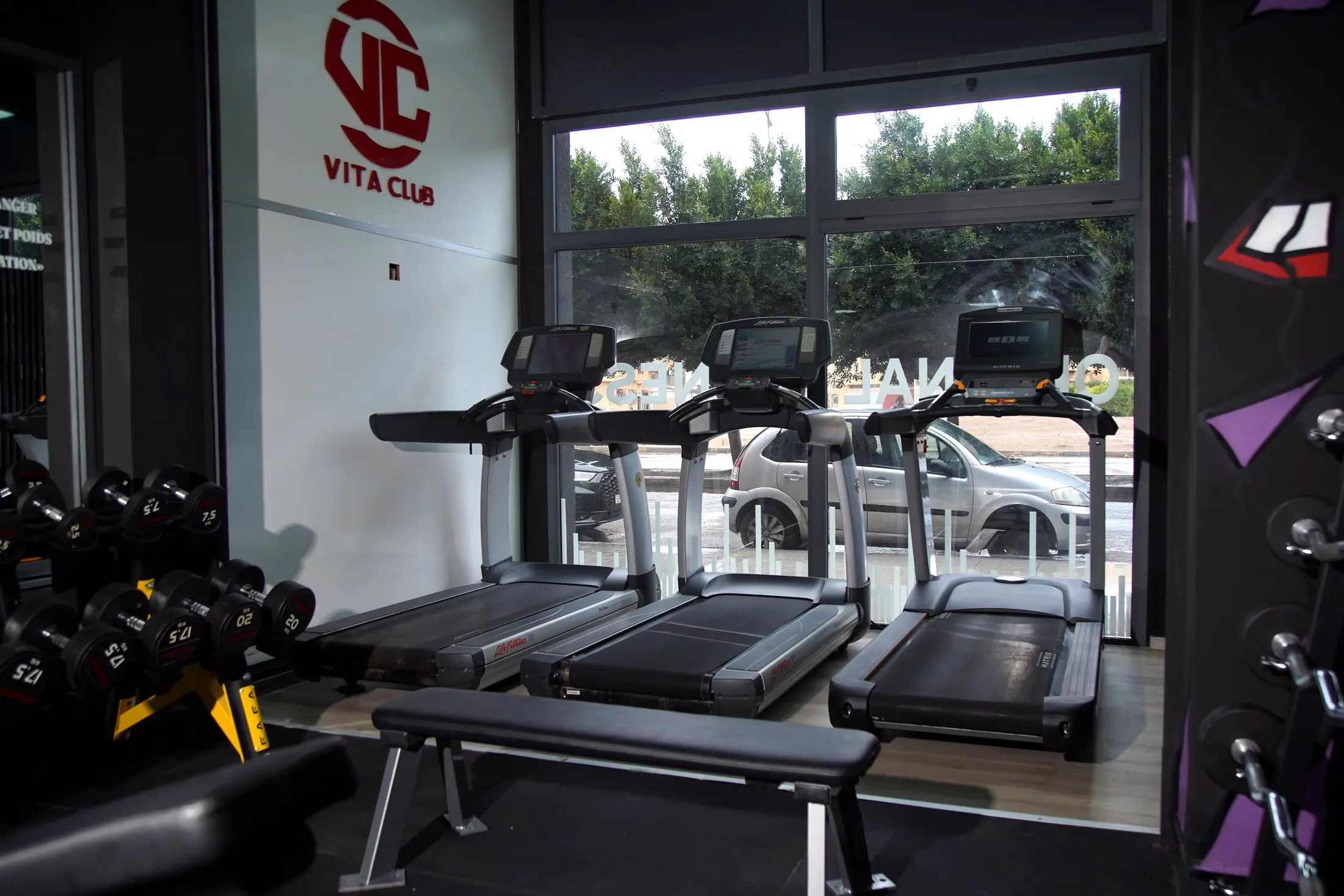
Cardio — brisk walking, cycling, running, rowing, the treadmill — has a direct, immediate effect: it increases energy expenditure during the session itself. The longer and more intense the session, the higher the calorie burn at that moment.
It’s a simple tool, accessible at pretty much any fitness level, and its benefits go beyond the question of weight: cardiovascular endurance, faster recovery between efforts, better day-to-day breathing capacity. Cardio is particularly useful for creating a daily calorie deficit, provided your diet follows suit.
Its limitation: the effect mostly stops once the session ends. Your body doesn’t keep burning significantly more calories once you’re back home.
The role of strength training
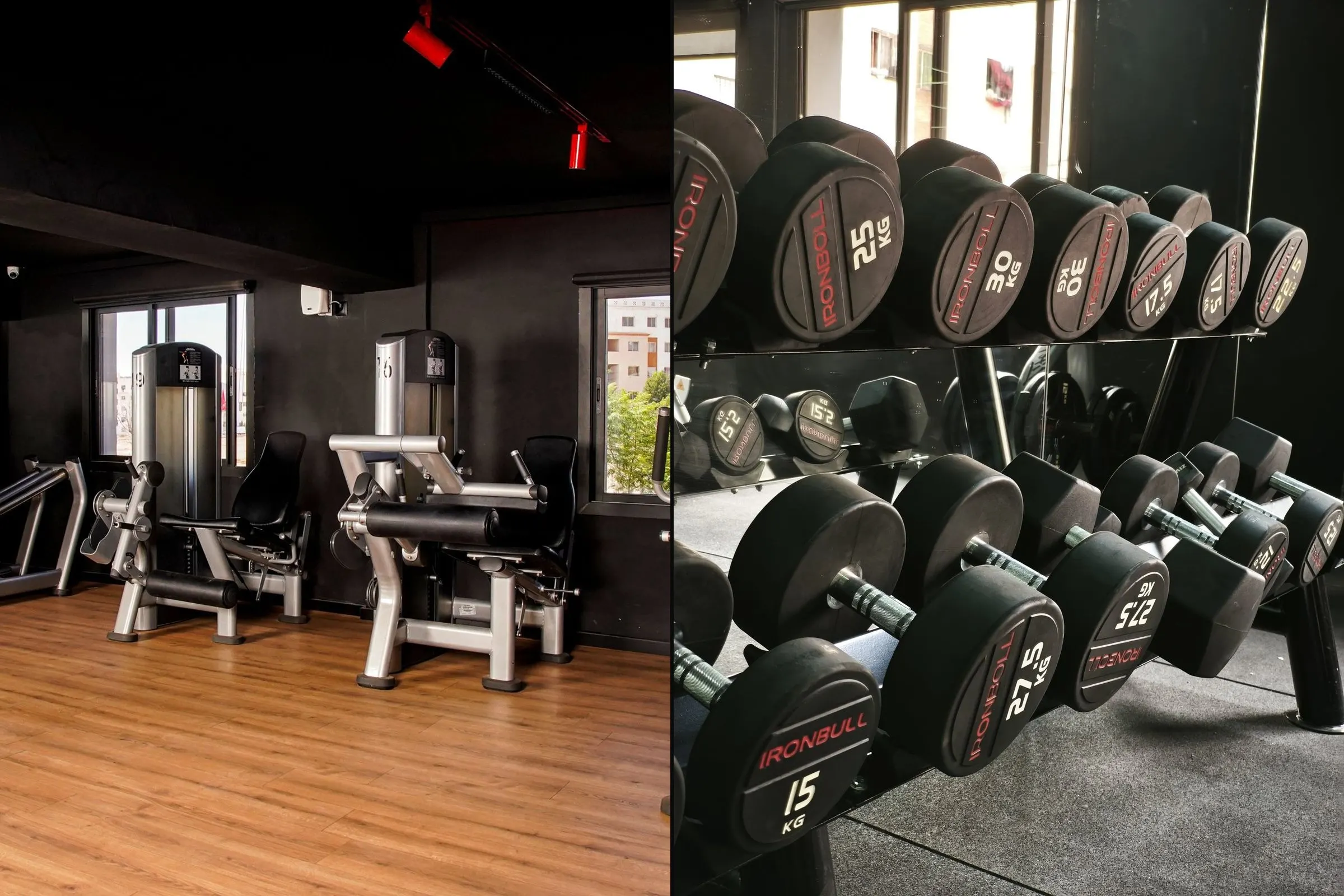
Strength training works differently. Its main effect on body composition comes less from the calories burned during the session itself — often more modest than an equivalent cardio session — and more from what it builds: muscle mass.
Muscle is a metabolically active tissue: the more you have, the higher your baseline energy expenditure at rest. Training the major muscle groups with progressive load (free weights or guided machines) also helps preserve that muscle mass during a fat-loss phase, which avoids the “lost weight but my shape hasn’t really changed” effect.
Key takeaway: cardio spends energy during the effort itself; strength training builds and protects the muscle that supports your day-to-day metabolism. These are two complementary levers, not competing options.
Why combining both makes sense
Pitting cardio against strength training doesn’t really make sense when the goal is fat loss: the two work through different mechanisms and reinforce each other rather than compete. A program that combines strength sessions and cardiovascular sessions generally preserves muscle better while maintaining enough energy expenditure — a balance that’s harder to reach with just one of the two.
In a gym in Agadir or Settat equipped with both cardio machines and strength areas, it’s entirely possible to alternate both types of sessions within the same week, or even add a bit of cardio at the end of a strength session if time allows.
Consistency matters more than the method
This is probably the most underrated point: the method that looks most effective on paper is worthless if it isn’t kept up over time. Two sessions a week, followed for several months, generally has more impact than an ambitious program abandoned after three weeks.
A modest but steady pace — say two to three sessions a week — beats an overly demanding goal that collapses the first time life gets busy.
Sleep and nutrition: the base that’s too often overlooked
No combination of cardio and strength training makes up for chronically poor sleep or an unbalanced diet. Sleep plays a real role in muscle recovery and appetite regulation; a diet with enough protein and generally balanced meals supports both training and the preservation of muscle mass during a fat-loss phase.
These levers matter just as much as the type of session you choose, even if they’re less visible.
A sample, reasonable weekly split
There’s no single right way to do this, but here’s an example of a simple weekly structure to adapt to your level and schedule:
- 2 strength sessions (major muscle groups, progressive load);
- 2 moderate cardio sessions (30 to 40 minutes, at an intensity where you can still hold a conversation);
- rest days or light activity between sessions, to support recovery.
This example is deliberately general: adjust it to your current fitness level, your availability and, if in doubt, the advice of a coach on site.
No promise of a specific result
It isn’t possible to seriously promise a precise amount of fat loss or a guaranteed timeline: too many individual factors come into play (diet, sleep, starting point, consistency, life circumstances). Be cautious of any method that promises an exact number without knowing you.
If you’re returning to physical activity after an injury, pregnancy, illness, or a long break for health reasons, check with a healthcare professional before starting. The information in this article is general guidance, not personalized medical or nutritional advice.
In short
Cardio and strength training aren’t rivals: together, with consistency, decent sleep and a balanced diet, they form a solid, sustainable base. If you’d like advice tailored to your situation, the coaches at Vita Club Agadir and Vita Club Settat can guide you on site, and our BMI calculator can give you a simple starting point. For any question, you can also reach us directly through the contact page.